Environmentalist


هفدهمين شماره یوزنامه منتشر شد. يوزنامه خبرنامه رسمی انجمن يوزپلنگ ايرانی است که از سال 1384 تاکنون درحال انتشار بوده و به صورت دوفصلنامه می باشد. این دوفصلنامه با شمارگان 1000 نسخه با حمايت شرکت فراانديشان ساعی چاپ شده و برای کارشناسان، دانشجویان، محیط بانان و عاقمندان ارسال می گردد. آخرين شماره يوزنامه مربوط به بهار و تابستان 1391 بوده و در 12 صفحه به موضوعات زير می پردازد:

·       در ایران چند یوزپلنگ داریم؟

·       مهاجرت یوزپلنگ آسیایی در مرکز ایران

·       پایش جمعیت گوشتخواران در پناهگاه حیات وحش عباس آباد

·       بررسی تبارشناسی و تنوع ژنتیکی کاراکال در ایران

·       توانمندسازی جوامع محلی در درفک

·       میانگین توله های خرس در هر زایمان

·       و موضوعات دیگر


علاقمندان می توانند نسخه الکترونيک هفدمین شماره يوزنامه را از اينجا دريافت نمايند.


منبع: http://www.wildlife.ir/ShowInfo.aspx?Lang=1&InfoId=411

نویسنده: mannane ׀ تاریخ: یکشنبه 14 آبان 1391 ׀ موضوع: <-PostCategory-> ׀ ارسال نظر(0)


index 

ششمین جشنواره بین‌المللی فیلم مستند ایران سینما حقیقت، طی روزهای ۱۳ تا ۲۰ آبان ماه ۱۳۹۱ در سینما فلسطین، سینما عصرجدید و سالن سینماحقیقت مرکز گسترش سینمای مستند و تجربی برگزار خواهد شد.


اسامی مستندهای زیست محیطی راه یافته به بخش مسابقه «سینما حقیقت» عبارتند از :

«آخرین نفس‌های یک تالاب» سیدوحید حسینی‎نامی، «بازمانده تتیس» بابک مجیدی، «بوی نا» ساسان جوادنیا، «بهشت و ما» قدرت‎الله سلیمانی‎فر، «پرواز در آب» مازیار مشتاق‌گوهری، «پژواک سرزمین من» امیرمحمد خوارزمی، «حیات» میترا روحی‎منش، «خواب ابریشم» جواد تقوی، «در جستجوی پلنگ ایرانی» فتح‌الله امیری، «زندگی در قلب دنا» فرشاد افشین‌پور، «سفرنامه مرغ مهاجر» سیدمانی میرصادقی، «سگ» فریدون قدیمی، «غبار سرخ» پژمان مظاهری‌پور، «کالیبر ۱۲» مهدی ملک‎زاده، «کفتار راه راه»، «زندگی در لبه‌ تاریکی» علیرضا مهدوی.

http://zistboom.com/8566/

نویسنده: mannane ׀ تاریخ: یکشنبه 14 آبان 1391 ׀ موضوع: <-PostCategory-> ׀ ارسال نظر(0)

imagesدر خبرها آمده بود که پس از ورود یک پلنگ به یکی از روستاهای شهرستان دماوند، مسئول اداره محیط زیست دماوند و دو مامور برای آرام کردن و دور کردن حیوان به محل می روند و پس از فعل و انفعالات انجام شده در نهایت پلنگ بی نوا توسط ماموران محیط زیست کشته می شود.

با توجه به این اتفاق، نگارنده برای آزمون استخدامی سال آینده سازمان محیط زیست پرسش هایی طراحی کرده ام که امیدوارم مورد استفاده قرار بگیرد تا دیگر شاهد حضور افرادی که اطلاعاتی در مورد حیات وحش و نحوه برخورد با آنها ندارند در سطوح مدیریتی سازمان نباشیم.


– نمره منفی ندارد – زمان پاسخگویی: ۵ ساعت


1-    پلنگ چیست؟
الف: اسم یکی از نژادهای خرگوش است
ب: همان گربه خانگی (پیشی) است که دو سه کیلویی چاق تر شده
ج: حیوانی است آرام و اهلی
د: مدلی از شلوار است که کماندوها می پوشند


2-    علم رفتار شناسی حیوانات چیست؟
الف: علمی است که در مورد تغذیه حیوانات صحبت می کند
ب: علمی است که با فراگیری آن می توان سوت بلبلی زد
ج: علمی است که با فراگیری آن می شود مثل میمون از درخت بالا رفت
د: علمی است که به بررسی فرایند تولید شیر در گاو می پردازد


3-    برای دور کردن پلنگ از محیط های شهری چه باید کرد؟
الف: باید ازش خواهش کرد از محیط دور شود
ب: باید شهر را تخلیه کرد
ج: باید پلنگ را گاز گرفت
د: باید پلنگ را کشت


4-    گونه  در خطر انقراض چیست؟
الف: گونه ایست که در منطقه «خطر انقراض» زندگی می کند
ب: منظور همان دایناسور هاست
ج: منظور همان مرغ و گوسفند است که در اثر گرانی دیگر وجود ندارد
د: همه موارد


5-    چند عدد پلنگ در ایران زیست می کنند؟
الف: پانصد هزار
ب: یک میلیون
ج: صد میلیون
د: یک میلیارد


6-    اسلحه بیهوشی چیست؟
الف: اسلحه ایست برای افراد با ضریب هوشی کم
ب: نام یک نوع زیر دریایی است
ج: اسلحه ایست برای بیهوش کردن گاوها پیش از ذبح شرعی
د: گزینه الف و ب


منبع: وبلاگ دوستداران حیات وحش و محیط زیست

نویسنده: mannane ׀ تاریخ: یکشنبه 14 آبان 1391 ׀ موضوع: <-PostCategory-> ׀ ارسال نظر(0)

محمد درویش: چندی پیش اعلام شد که ایران در تازه‌ترین رتبه‌بندی کشورهای جهان از منظر شاخص سرزمین شاد یا HPI توانسته موقعیت خود را در سال ۲۰۱۲ نسبت به سال ۲۰۰۹ ، ۴ پله بهبود ببخشد و از رتبه ۸۱ به ۷۷ در بین ۱۵۱ کشور مورد بررسی برسد و در حقیقت خود را به صدر جدول نزدیک‌تر سازد [۱].


این موفقیت به ویژه زمانی بیشتر اهمیت می‌یابد که بدانیم قدرت‌های تراز اول جهان چون ایالات متحده آمریکا و روسیه در رتبه‌ای بهتر از ۱۰۵ و ۱۲۲ نتوانسته‌اند جای گیرند و حتا اغلب رقبای ما در شیخ‌نشین‌های حاشیه جنوبی خلیج فارس چون کویت، امارات متحده عربی و قطر در بین ۱۰ کشور انتهایی این جدول قرار دارند. با این وجود، تقریباً همه در برابر این خبر خوش سکوت کردند، چه رسانه‌ها، چه مردم، چه تشکل‌های مردم‌نهاد و چه حتا نهاد متولی محیط زیست کشور. انگار کسی این خبرها را جدی نمی‌گیرد، حتا اگر نامش سازمان حفاظت محیط زیست ایران باشد! چرا؟


در رخدادی دیگر، اشاره به حرکت ارزشی یکی از هموطنان عزیزم در منطقه سمیرم به نام غلام امیری کردم[۲] که چگونه کوشید تا یک خرس ماده را از غرق شدن در استخر باغش نجات دهد؛ این در حالی بود که اگر او آن خرس را مانند دیگر همشهری‌اش سلاخی می‌کرد، بی‌شک تا مدتها خبر نخست روزنامه‌ها و تارنماها بود! نبود؟


همچنین، وقتی در سالگرد پروتکل مونترال[۳] در مورد حفره ازون اشاره به موفقیت ایران[۴] کردم، انگار داشتم در خلاء سخن می‌گفتم!


چندی پیش با احسان محمدی، مدیر سختکوش پایگاه اطلاع رسانی زیست بوم[۵] گفتگو می‌کردم، او نیز از این مسأله شگفت زده بود و سیاهه‌ی مفصل‌تری از موفقیت‌های محیط زیستی کشورمان در طول چند ماه گذشته را به نگارنده یادآوری کرد که با کمترین عنایت و توجه رسانه‌ای و مردمی روبرو شده است. از او خواستم تا دیدگاهش[۶] را که حاوی هفت خبر خوش و افتخار محیط زیستی بود، منتشر کند تا در این باره شاید در فضای رسانه‌ای کشور بتوان بیشتر و جدی‌تر به فراکافت چرایی‌ بازتاب اندکش همت گمارد.


به راستی شما چه فکر می‌کنید؟ چرا کسی موفقیت‌های محمدصادق فرهادی نیا[۷]، سید محمد مجابی[۸]، فتح الله امیری[۹]، صادق صادقی‌زادگان، علی نظری دوست[۱۰]، اصغر محمدی فاضل[۱۱] و … را که جملگی نام ایران را در عرصه‌های ملی و جهانی محیط زیست طنین‌افکن کرده‌اند، نمی‌بیند؟


نگارنده بر این باور است که یکی از عمده‌ترین دلایل عدم توجه درخور اغلب رسانه‌ها، فعالان محیط زیست و عامه‌ی مردم به انتشار چنین اخبار امیدبخشی، ناشی از سیاست‌های انقباضی و سختگیرانه‌ی حاکم بر فضای رسانه‌ای کشور، به ویژه در طول سه سال اخیر بوده است؛ سیاست‌هایی که عامداً یا سهواً انتشار هر تحلیل تلخ و هر انتقاد جدی را با صفت نشر “سیاه‌نمایی” نهی کرده و از اصحاب رسانه می‌خواست تا برای پرنشاط‌کردن فضای جامعه به انتشار خبرهای خوش روی آورند. به سخنی ساده‌تر، با شگردی به نام “سفیدنمایی” به جنگ سیاه‌نمایی رفتند که حاصلش البته، نه‌تنها شوق و نشاط و امید مورد نظر را به همراه نداشت، بلکه نوعی وندالیسم پنهان را در جامعه گستراند. به عنوان شاهد، می‌توان به اُفت معنی‌دار فعالیت اغلب تشکل‌های مردم‌نهاد حوزه‌ی محیط زیست و کاهش چشمگیر تعداد تارنماهای محیط زیستی فعال در فضای مجازی در طول چند سال اخیر اشاره کرد.


شما بگویید: وقتی از قول عالی‌ترین مقام‌های وزارت نیرو (علی ذبیحی، قائم مقام وزیر) اعلام می‌شود که نقش ندانم‌کاری‌های مدیریتی و فشارهای انسانی در بروز فاجعه در دریاچه ارومیه فقط سه درصد است[۱۲]! وقتی با صراحت می‌گویند که در اثر بارورسازی ابرها، سطح آب دریاچه ارومیه ۷۰ سانتی‌متر افزایش یافته، در صورتی که در همان زمان معلوم می‌شود که ۳۱ سانتی‌متر هم کاهش داشته است[۱۳]! وقتی که اعلام می‌شود افسانه ببر مازندران را با کمک هم‌نوعان سیبریایی‌اش مجدداً زنده خواهیم کرد، اما حتا نمی‌توانیم میزبان خوبی از آن مهمانان بیگناه در تهران باشیم و جملگی را به کشتن می‌دهیم[۱۴]! وقتی با نواختن ساز و دهل از جشن خودکفایی در تولید گندم، حرف می‌زنیم و آنگاه دوباره به یکی از عمده‌ترین کشورهای واردکننده گندم بدل می‌شویم[۱۵]؛ وقتی با افتخار از طرح‌های بزرگ سدسازی و انتقال آب در سرشاخه‌های کارون و دز و کرخه سخن گفته و اعلام می‌کنیم که خوزستان دیگر هرگز با کابوس کمبود آب با کیفیت روبرو نخواهد شد، اما در همان زمان شاهد مرگ بی‌سابقه بزرگترین نخلستان کشور در اروند کنار هستیم[۱۶]؛ وقتی مشکل کمبود آب و خشکسالی در جنوب کشور را به گردن غربی‌ها و دزدی ابرها توسط ایشان می‌اندازیم[۱۷]؛ وقتی که بارها اطمینان می‌دهیم که جنگل زیبای ابر را از هر تجاوز و پروژه راهسازی جدیدی محافظت کرده و سپس آن را نقض می‌کنیم[۱۸] و ده‌ها و ده‌ها مورد نظیر آن؛ آیا شنوندگان خبرهای خوش حق ندارند تا پس از آن بمباران سفیدنمایی، به هر رویداد خوش و غرورآفرینی در کشور به دیده تردید بنگرند؟


به نظرم اگر آن زمان که اشتباه کرده و خطایی مدیریتی را در حوزه محیط زیست و منابع طبیعی مرتکب شدیم، مردانه و صادقانه بر خطای خویش اذعان کرده و عذرخواهی می‌کردیم و به طور همزمان ظرفیت پذیرش نقد و تحلیل را در جامعه افزایش می‌دادیم، امروز هم می‌توانستیم در فضای شادمانه‌تری افتخارات خود را با مردم جشن بگیریم.

امید که یادمان نرود، اگر اعتماد از دست برود؛ همه چیز از دست خواهد رفت.

——————————————————————————–

[۱] http://mohammaddarvish.com/desert/archives/7536


[2] http://kazeroongeo.blogfa.com/post-304.aspx


[3] http://mohammaddarvish.com/desert/archives/7677


[4] http://hamshahrionline.ir/details/144833


[5] http://zistboom.com/


[6] http://zistboom.com/8317/


[7] http://zistboom.com/7197/


[8] http://www.momtaznews.com/%D8%AD%D9%85%D8%A7%DB%8C%D8%AA-%D8%B3%D8%A7%D8%B2%D9%85%D8%A7%D9%86-%D8%A7%D8%B3%DA%A9%D8%A7%D9%86-%D8%A8%D8%B4%D8%B1-%D9%85%D9%84%D9%84-%D9%85%D8%AA%D8%AD%D8%AF-%D8%A7%D8%B2-%D8%A7%D8%B7%D9%84%D8%B3/


[9] http://www.wildlife.ir/ShowInfo.aspx?Lang=1&InfoId=401


[10] http://zistboom.com/8317/


[11] http://old.irna.ir/News/80383009/%D8%A7%DB%8C%D8%B1%D8%A7%D9%86-%D9%86%D9%85%D8%A7%DB%8C%D9%86%D8%AF%D9%87-%D8%A2%D8%B3%DB%8C%D8%A7%D9%88%D8%A7%D9%82%DB%8C%D8%A7%D9%86%D9%88%D8%B3%DB%8C%D9%87-%D8%A8%D8%B1%D8%A7%DB%8C-%D8%AA%D8%AF%D9%88%DB%8C%D9%86,%DA%86%D8%B4%D9%85-%D8%A7%D9%86%D8%AF%D8%A7%D8%B2%D8%AC%D9%87%D8%A7%D9%86%DB%8C-%D8%AA%D9%86%D9%88%D8%B9-%D8%B2%DB%8C%D8%B3%D8%AA%DB%8C,%D8%B4%D8%AF/%D8%AE%D8%A7%D8%B1%D8%AC%D9%8A/


[12] http://www.khabaronline.ir/detail/171974/weblog/darvish


[13] http://www.khabaronline.ir/detail/152091/weblog/darvish


[14] http://www.tabiatbakhtiari.com/archives/655


[15] http://mohammaddarvish.com/desert/archives/7503


[16] http://mohammaddarvish.com/desert/archives/7106


[17] http://ibnanews.com/vdcb.zbzurhba5iupr.html


[18] http://isna.ir/fa/news/91040905230/%D9%82%D8%B7%D8%B9-%D8%AF%D8%B1%D8%AE%D8%AA%D8%A7%D9%86-%D8%AC%D9%86%DA%AF%D9%84-%D8%A7%D8%A8%D8%B1-%D8%A7%D8%B2-%D8%A7%D9%86%D9%83%D8%A7%D8%B1-%D8%AA%D8%A7-%D8%A7%D8%B9%D9%84%D8%A7%D9%85-%D8%B1%D8%B3%D9%85%D9%8


نویسنده: mannane ׀ تاریخ: یکشنبه 14 آبان 1391 ׀ موضوع: <-PostCategory-> ׀ ارسال نظر(0)

عملیات آبگیری بزرگ‌ترین سد بتنی دو قوسی در شمال‌غرب کشور در کمال بی توجهی به وضعیت بحرانی دریاچه ارومیه با حضور رئیس‌جمهور آغاز شد. به گزارش زیست بوم و به نقل از سایت حامیان محیط زیست آذربایجان، محمود احمدی‌نژاد  که به منظور حضور در مراسم آغاز آبگیری سد شهریار بزرگ‌ترین سد بتنی دوقوسی شمال‌غرب کشور به آذربایجان‌ شرقی سفر کرده بود،از بخش‌های مختلف این سد بازدید کرد و با توضیحات کارشناسان در جریان جزئیات احداث این پروژه قرار گرفت.

مدیرعامل شرکت آب منطقه‌ای آذربایجان‌ شرقی از سد شهریار به عنوان یکی از سدهای بزرگ کشور یاد کرد و یادآور شد: این سد طرح‌های مدیریت جامع منابع آب وزارت نیرو را در حوزه آبریز «قزل‌اوزن» تکمیل می‌کند.

b9903
ارسلان هاشمی اثرات ملی این طرح را در حوزه اقتصادی و اجتماعی مورد تاکید قرار داد و گفت: هشت استان از منافع ملی این طرح بهره‌مند می‌شوند.

وی ادامه داد: سد بتنی دو قوسی شهریار به عنوان بزرگ‌ترین سد بتونی دوقوسی شمال‌غرب کشور در ۳۷ کیلومتری شمال‌شرقی شهرستان میانه به منظور تامین نیاز آبی اراضی و شالیزارهای استان گیلان و جبران کاهش حجم مخزن سد سفیدرود توسط شرکت آب منطقه‌ای آذربایجان‌شرقی اجرا شده است.
وی افزود: این طرح به عنوان طرح برتر بتنی سال ۱۳۹۰ کشور در رشته سدسازی در نهمین همایش بتن در محل مرکز همایش‌های بین‌المللی دانشگاه شهید بهشتی در روز جهانی بتن انتخاب شد.

هاشمی تصریح کرد: طول تاج این سد ۲۰۷ متر و ارتفاع آن از پی ۱۳۵ متر و حجم اولیه مخزن آن ۷۰۰ میلیون مترمکعب است.
مدیرعامل شرکت آب منطقه‌ای آذربایجان‌شرقی گفت: این سد افزون بر کاربری تامین نیاز آبی کشاورزی و صنعتی استان گیلان، ۱۲ هزار هکتار از اراضی شهرستان میانه و محیط زیست، کنترل سیلاب و ایجاد سیلاب‌های مصنوعی برای رسوب‌زدایی مخزن سد سفیدرود، برای تولید ۱۶۸ گیگاوات ساعت انرژی پیک در سال طراحی و اجرا شده است.
هاشمی یادآور شد: این سد که بر روی رودخانه قزل‌اوزن و با هدف تامین آب کشاورزی و صنعتی ۱۲ هزار هکتار از اراضی شهرستان میانه و ۱۰۰ هزار هکتار از اراضی منطقه احداث شده است.
وی ادامه داد: تولید ۱۶۸ گیگابایت برق در سال، کنترل سیلاب‌ها و ایجاد سیلاب‌های مصنوعی از دیگر اهداف احداث این سد بتنی دوقوسی است.
مدیرعامل آب منطقه‌‌ای آذربایجان‌شرقی تصریح کرد: این سد در دولت نهم و دهم ساخته شده و برای آن ۳ هزار و ۶۳۵ میلیارد ریال هزینه شده است.
هاشمی خاطرنشان کرد: از مهم‌ترین شاخص‌های سد شهریار،‌ کنترل، مهار و تجمیع سیلاب‌ها و روان آب‌های بالا دست سفیدرود است که دارای نیروگاه برق آبی است و از یک چشم‌انداز طبیعی بسیار زیبایی برخوردار است و علاوه بر آذربایجان‌شرقی، استان‌های همجوار را نیز تحت تاثیر قرار خواهد داد.

هاشمی، کنترل روان آب‌ها در سطح استان، تغییر الگوی کشت و نیز بهسازی روش آبیاری را از جمله مهم‌ترین برنامه‌های آبی استان توصیف کرد و گفت: با اعتبارات خوبی که اختصاص یافته، توسعه شبکه آبیاری تحت‌فشار، بستن چاه‌های غیرمجاز و جلوگیری از برداشت بی‌رویه منابع زیرزمینی در دستور کار استان قرار دارد.

وی ساخت و ساماندهی شبکه‌های آبیاری زیردست سدها را یکی از مهم‌ترین اقدامات تکمیلی برای مصرف بهینه منابع آبی موجود در سدها دانست و آن را وظیفه‌ای بیرون از محدوده وظایف وزارت نیرو خواند.

هاشمی گفت: تمام مراحل تحقیقات، طراحی، تجهیزات و اجرای آن توسط متخصصان داخلی انجام شده و سدی است که به گفته هاشمی مدیرعامل شرکت منطقه‌ای آب آذربایجان‌شرقی، جزو سدهایی با طول عمر ۱۰۰ سال در جهان محسوب می‌شود.

وی با اشاره به ظرفیت‌های گردشگری طرح سد شهریار از جمله ماهیگیری، استقرار سیاحتگاه و نزدیکی به خط راه‌آهن از فراهم بودن امکانات مطلوب برای گردشگری در این محل خبر داد.
توسعه کشاورزی، صنعتی و تولید برق، بهبود ارتباطات و توسعه شبکه حمل و نقل در منطقه، توسعه گردشگری در منطقه، افزایش سرمایه گذاری و ایجاد اشتغال و افزایش سطح درآمد و رفاه اجتماعی از آثار اقتصادی و اجتماعی پیش بینی شده برای طرح احداث این سد به شمار می رود.

محمود احمدی‌نژاد رئیس جمهوری اسلامی ایران صبح امروز به منظور آبگیری سد شهریار و بازدید از مناطق زلزله‌زده آذربایجان‌ شرقی وارد استان آذربایجان شرقی شده است.
در این سفر یک روزه وزیران نیرو، راه و شهرسازی، روسای بنیاد مسکن انقلاب اسلامی و شهید و امور ایثارگران رئیس جمهوری را همراهی می‌کنند.

نویسنده: mannane ׀ تاریخ: یکشنبه 14 آبان 1391 ׀ موضوع: <-PostCategory-> ׀ ارسال نظر(0)

ابر طوفان سندی که در هفتۀ گذشته کشورهای حوزه دریای کارائیب و شرق امریکا را در هم نوردید بزرگترین طوفان تاریخ معاصر امریکا لقب گرفته است. کشته شدن ۶۸ نفر در منطقه کارئیب و ۴۶ نفر در ایالات متحده، قطع برق ۶/۶ میلیون خانه مسکونی و لغو ۱۸ هزار پرواز تنها گوشه ای از خسارات جانی و مالی این ابر طوفان بوده است.


به گزارش زیست بوم، تعطیلی مدارس و ادارات، تخلیه مناطق آسیب پذیر، تعطیلی مترو و شبکۀ حمل و نقل عمومی از جمله اقداماتی است که برای کاهش صدمات این طوفان اتخاذ شده است. طوفان سندی تنها عاملی بوده است که در تاریخ ۱۸۰ سالۀ بورس وال استریت، دو روز پیاپی این بورس را به تعطیلی کشانده است. همچنین در روزهای اخیر همۀ پلها و تونلهای شهر نیویورک نیز برای اولین بار پس از یازدهم سپتامبر کاملاً مسدود شد.


اوباما رئیس جمهور امریکا با تخصیص بودجه فدرال برای بازسازی خسارات این طوفان موافقت کرده است و از کلیه دستگاه های این کشور خواسته است از کاغذ بازی و بوروکراسی اداری برای کمک رسانی به مناطق آسیب دیده صرف نظر کنند. مایکل بلومبرگ شهردار نیویورک در توصیف این طوفان گفته است: «این طوفان نشان داد که هنوز هم طبیعت بسیار از ما قدرتمندتر است.»


در حال حاضر طوفان سندی با عبور از ایالات متحده به سمت کانادا در حال حرکت است.


طوفان سندی


طوفان سندی


طوفان سندی


طوفان سندی


b2250fbe95096d1e1f0f6a7067006852

http://zistboom.com/8578/

نویسنده: mannane ׀ تاریخ: یکشنبه 14 آبان 1391 ׀ موضوع: <-PostCategory-> ׀ ارسال نظر(0)

ایجاد بانک ذخایر ژنتیکی گیاهی و جانوری در استان گیلان


حکیم مهر - رییس پارک علم و فناوری گیلان اولویت فعالیت شرکت‌های دانش‌بنیان این استان را در بخش کشاورزی دانست و بر جذب فارغ‌التحصیلان رشته کشاورزی استان در این شرکتها تاکید کرد.

دکتر متقی‌طلب با اشاره به ظرفیت‌های بالای تحقیقاتی در گیلان، نظیر مرکز تحقیقات چای، برنج، زیتون، ابریشم و ...، اظهار کرد: هنوز مشکلات برخی از محصولات استراتژیک استان حل نشده باقی مانده است و برآنیم تا به کمک تحقیقات و قرار دادن آنها در مسیر تجاری‌سازی، این مشکلات را رفع کنیم.

وی با اشاره به مصوبه دولت برای تشکیل 20 هزار شرکت دانش‌بنیان در کشور افزود:این شرکت‌ها باید بر اساس استعدادهای هر منطقه تشکیل شود و اولویت این شرکت‌ها در گیلان در بخش کشاورزی است.

رییس پارک علم و فناوری گیلان خاطر نشان کرد: بر اساس اعلام سازمان نظام مهندسی کشاورزی گیلان هم اکنون پنج هزار فارغ التحصیل کشاورزی در این سازمان ثبت‌نام شده‌اند که با احداث شرکت‌های دانش بنیان از درصد قابل توجهی از این ظرفیت می‌توان استفاده کرد.

وی با اشاره به تحقیقات در دست اجرا در سه خوشه صنعتی شامل ادوات شالی‌کوبی، زیتون و چای گفت: در حال حاضر به نتایج خوبی در این تحقیقات رسیده‌ایم و نتایج این تحقیقات، منتج به قرارداد شده‌اند.

دکتر محمود بهمنی، رییس مرکز تحقیقات کشاورزی و منابع طبیعی گیلان نیز گفت:ایجاد بانک ذخایر ژنتیکی گیاهی و جانوری در استان گیلان از مصوبات دور سوم سفر هیأت دولت به استان گیلان بوده و تا کنون اقدامات بسیار ارزنده‌ای برای آن در قالب تهیه انواع کلکسیون‌های باغی و نیز ایجاد مجتمع نگهداری اسب کاسپین و ایستگاه تحقیقات گاو بومی به انجام رسیده و در حال تکمیل و توسعه آن هستیم.

به گفته وی، این مرکز موفق به اخذ موافقت اصولی قطعی ایجاد مرکز رشد کشاورزی و منابع طبیعی با ساختار خوشه‌های فناوری تخصصی در استان گیلان از وزارت علوم، تحقیقات و فناوری و وزارت جهاد کشاورزی، با همکاری پارک علم و فناوری گیلان شده است.


منبع : ایسنا

نویسنده: mannane ׀ تاریخ: یکشنبه 14 آبان 1391 ׀ موضوع: <-PostCategory-> ׀ ارسال نظر(0)

Published: November 2012

Cheetahs

Picture of an Asiatic cheetah

Cheetahs on the Edge

Most vulnerable of the world’s big cats, cheetahs are also one of its shrewdest survivors.

By Roff Smith
Photograph by Frans Lanting

Anticipation ripples through the crowd. Fingers tighten around binoculars. Camera lenses snap into focus. No fewer than 11 canopied safari buses, bright with tourists and bristling with long lenses, huddle near a solitary acacia tree in Tanzania’s Serengeti National Park. For the past half hour a mother cheetah named Etta has been sitting in the shade with her four young cubs, eyeing a herd of Thomson’s gazelles that drifted into view on a nearby rise. Now she’s up and moving, sidling toward the herd with a studied nonchalance that fools no one, least of all the gazelles, which are staring nervously in her direction.

Suddenly one of the guides shouts, as the gazelles break and run and Etta launches into an explosive sprint. The sleek cat is too fast for the eye to follow, blurring through the grass like a bullet. The drama is over in seconds, ending with a puff of dust and a stranglehold on a luckless young gazelle. As Etta drags the carcass back to her cubs, they emerge from the scrub eager to tuck into the feast. The safari buses are only seconds behind, the drivers jockeying to get the best camera angles for their customers.

Cheetahs have come to occupy a curious place in the human imagination. Beautiful and exotic, sports car fast and famously docile, they are as much media stars as denizens of the wild, darlings of filmmakers and advertisers the world over. Tap “cheetah” and “images” into your computer’s search bar, and more than 20 million results pop up—from fashion shoots to flashy car ads to photos of pet cheetahs riding in the backseats of Mercedes convertibles.

All this pop culture presence might create the impression that cheetahs are as secure in nature as they are in the popular imagination. They are not. In fact, cheetahs are the most vulnerable of the world’s big cats, surprisingly rare and growing steadily rarer. A few centuries ago cheetahs roamed from the Indian subcontinent to the shores of the Red Sea and throughout much of Africa. As fleet of foot as they are, though, they couldn’t outrun the long reach of humanity. Today the Asiatic cheetah, the elegant subspecies that once graced the royal courts of India, Persia, and Arabia, is all but extinct. In Africa cheetah numbers plummeted by more than 90 percent during the course of the 20th century, as farmers, ranchers, and herdsmen crowded the cats out of their habitat, hunters shot them for sport, and poachers captured cubs for the lucrative trade in exotic pets. In all, fewer than 10,000 cheetahs survive in the wild today.

Even within Africa’s great game parks, cheetahs are under heavy pressure. Shy and delicately built, the only big cats that cannot roar, they are bullied into the margins by lions, which are far stronger both in body and number. Consider Tanzania’s Serengeti National Park and the adjoining Masai Mara National Reserve in Kenya. Taken together the two parks are home to more than 3,000 lions, an estimated 1,000 leopards, and a mere 300 cheetahs. And despite their celebrity status, cheetahs lose out to lions in the tourism stakes as well. “Cheetahs tend to be something people look for on their second safari,” says guide Eliyahu Eliyahu. “The first time around is all about seeing lions. The trouble is, where you have a big lion population, you will never have many cheetahs.”

If cheetahs seem a breed apart, it’s because they are. Not only are they a separate species from the other great cats, but they belong to a separate genus as well, a genus with just one member: themselves. Their genus name, Acinonyx, comes from Greek words for “thorn” and “claw” and refers to the cheetah’s curious semi-retractable claw, a feature they share with no other cat. Unlike lions and leopards, whose fully retractable claws are tools designed for tearing flesh and climbing trees, cheetahs have claws that are more like the spikes on a sprinter’s track shoe and serve a similar function: solid grip and quick acceleration.

Everything about a cheetah is designed for speed—pure, raw, explosive speed. Put a cheetah and a Lamborghini side by side on a freeway, and it will be an even-money bet which will smash the speed limit first. Both can do zero to 60 in under three seconds, but the cheetah can crack 45 miles an hour in the first couple of strides. And what strides. Thanks to its flexible spine and long, fluid legs, a cheetah can gobble up turf in bounds that exceed 25 feet. An elite human athlete who could leap that far even once, after a good run, would be well on his or her way to qualifying for the Olympic Games. A cheetah sprinting at top speed might be doing that up to four times a second.

Such superhuman abilities lent cheetahs an otherworldly aura in ancient times. Egyptians were the first people to tame them as pets and immortalize them in images on tombs and temples, nearly 4,000 years ago. In India, Iran, and Arabia, coursing with cheetahs—or “hunting leopards,” as they were known—became an immensely popular sport among the aristocracy. In the courts of the Mogul emperors, cheetahs became a kind of motif, celebrated in paintings and tapestries, folklore and verse. Favorite cheetahs were adorned with jeweled collars and featured prominently in royal processions.

Cheetahs remain highly fashionable in Saudi Arabia and the Gulf states, where a cub can fetch upwards of $10,000. “A rich, young man buys himself a cheetah to go with his sports car,” says Mordecai Ogada, a Kenyan wildlife biologist who has studied cheetah-human relationships and wildlife trafficking. “It’s typically a new-money thing nowadays.”

In places such as the United Arab Emirates cheetahs occupy a kind of legal limbo. “The importation is clandestine,” says Ogada, “but once there, the trade is open. Trafficked cheetahs can easily be ‘laundered’ and made to appear as though they were legally bred in captivity. It’s difficult to determine the source of cubs unless you do genetic analysis and identify them as members of a subspecies that’s endemic to a particular area.”

How great a toll trafficking is taking on the world’s dwindling cheetah population is anyone’s guess, but evidence suggests that trade in wild cheetah cubs is a large-scale enterprise. Even a cursory trawl of the Internet turns up plenty of cubs being offered for sale by “breeders” in places like Dubai. Several cheetah smugglers were arrested last year in Tanzania and Kenya, and there were rumors of cheetah cubs being offered for sale as far afield as Cameroon.

“I suspect the problem is bigger than we imagine,” says Yeneneh Teka, head of Ethiopia’s Wildlife Development and Protection Directorate. “There is a great deal of money involved, and like the people who are smuggling drugs and guns, those who smuggle wildlife have well-established networks.”

Last year Ethiopian authorities cracked down on wildlife smuggling and instituted a training program for border guards and customs officials. The stepped-up enforcement paid off when officials intercepted a consignment of cheetah cubs as they were being smuggled into Somalia.

“While the border guards were examining the truck’s paperwork, they heard scratching sounds coming from a jerry can that was supposed to be full of petrol,” Teka says. “When they opened it up, they found five tiny cheetah cubs in very poor condition.” One of the cubs died. The other four, after weeks of veterinary care, were taken to a wildlife sanctuary operated by the Born Free Foundation an hour north of Addis Ababa, where they will spend the rest of their lives. Although it’s a happy ending for the four survivors, it’s a net loss for the species.

“They’ll never be able to return to the wild,” says Ogada. “Even if you could teach them to hunt, humans can’t teach cubs how to recognize and avoid predators such as lions and hyenas.” And although some cheetahs have been successfully rewilded on large, fenced reserves in South Africa, the wide-open grasslands are a far more dangerous place to grow up. Orphaned cubs “wouldn’t stand a chance in a place like the Serengeti,” says Ogada.

Even mother cheetahs find it difficult to raise cubs in the wild, where mortality among cubs can run as high as 95 percent. The great majority of cubs may never make it out of the den in which they’re born. They’re killed in raids by lions or hyenas, or they die of exposure, or they’re abandoned by mothers that aren’t skillful enough hunters to support them. Indeed, many female cheetahs go their entire lives without raising a single cub to maturity.

There are a rare few, however, that somehow manage to beat the odds and enjoy astonishing success in raising cubs, some even fostering the offspring of other females. Superb hunters and wise in the ways of the bush, these supermoms manage to make a kill nearly every day while keeping their brood safe on the wide-open stage of the African grasslands, beneath the very noses of lions and hyenas. One such supermom, a seven-year-old named Eleanor, is known to have mothered at least 10 percent of all the adult cheetahs in the southern Serengeti.

“I’m not aware of any other carnivore whose survival relies so heavily on the success of so few females,” says Sarah Durant of the Zoological Society of London. Durant directs the Serengeti Cheetah Project, one of the world’s longest running carnivore studies. Now in its 38th year, the project has chronicled the lives and maternal pedigrees of generations of the Serengeti’s cheetahs. It is hot, dusty work, involving long hours bouncing over the grasslands in hard-bitten Land Rovers seeking out the most elusive of Africa’s great cats. It was Durant’s painstaking research that revealed the vital importance of supermoms.

Though the matriarchal lines of the Serengeti’s cheetah population are now well documented, paternity is another matter. Wildlife biologist Helen O’Neill waits patiently in her Land Rover a short distance from where three cheetah brothers—Mocha, Latte, and Espresso, known collectively as the Coffee Boys—lie sprawled in the shade of a ballanite tree. O’Neill is on what is delicately referred to as “poop patrol,” collecting feces dropped by specific, identifiable cheetahs. Scientists at the Zoological Society of London are able to extract DNA samples and hope to fill in the paternal side of the Serengeti’s family trees.

Analysis so far suggests that cheetah females are far more promiscuous than anyone suspected: In as many as half their litters, the cubs have different fathers. “We suspect this kind of multiple mating could have genetic benefits in an uncertain environment,” says Durant. “Think of it as bet hedging by the cheetah mothers to try to ensure that some of their progeny survive.”

A world away from the sunlit grasslands of the Serengeti, late on a cold, clear winter’s afternoon, a lone male cheetah picks his way along a snow-dusted ridgeline. He pauses briefly to scent mark a tamarisk tree, then slinks out of view of the remotely operated video camera that has been recording his passage.

The concealed camera is one of 80 camera traps that have been deployed around the Dasht-e Kavir, a remote region in Iran’s mountainous central plateau, in the hopes of glimpsing one of the world’s rarest and most elusive big cats: the Asiatic cheetah.

“It’s like a dream come true when we get something like this,” says Iranian wildlife biologist Houman Jowkar of the 27 seconds of footage. Jowkar is with the Conservation of the Asiatic Cheetah Project, which was set up by Iran’s Department of Environment in 2001 in a bid to save the last remaining population of these endangered cheetahs. “These cats are incredibly rare,” says Jowkar. “We have game wardens who have lived and worked in these mountains for years but have never seen a live cheetah.”

The camera-trap program has helped Iranian scientists determine roughly how many cheetahs are left and where they live—vital information for developing a conservation strategy. “We’re lucky these beautiful cats are spotted,” Jowkar says. “By using their unique coat patterns, we can identify them individually and work out their population and distribution.”

All the same, saving the Asiatic cheetah will be a tall order. Its downfall traces back to the glory days of the Mogul Empire, when hunting with cheetahs became all the rage. One Mogul emperor is said to have collected more than 9,000 cheetahs during his 49-year reign.

Compare then and now. In ten years of setting out scores of cameras, Iranian researchers have so far managed to obtain a mere 192 fleeting images. Those images document 76 gaunt individuals, pretty much all that remains of a noble subspecies of cheetah that once roamed throughout much of Asia. Today’s survivors eke out a precarious existence. Stalking antelope and mountain sheep on steep, stony slopes, they compete with wolves and even humans, for whom gazelles and sheep are also a handy food source.

“They are living on a knife edge, at the very limit of what is ecologically possible,” says Luke Hunter, president of Panthera, an international conservation group dedicated to preserving big cats, and a collaborator on the Iranian cheetah project. “What’s intriguing, though, is that these cheetahs have not been pushed into these mountains recently. They’ve been here for thousands of years. People don’t realize how tough and versatile cheetahs really are.”

Indeed they are. Despite their vulnerability, cheetahs are one of the world’s hardiest and shrewdest survivors, enduring both the bitter winters of the Iranian steppes and the scorching heat of the Sahara wadis. “They are not just fast,” says Algerian wildlife biologist Farid Belbachir, who has been setting camera traps in Algeria’s Ahaggar Mountains, trying to capture images of the critically endangered Saharan cheetah. “They understand the landscape. They’ve figured out how to use the narrow parts of the wadis to launch their attacks, to give their prey less opportunity to escape.”

Back in Serengeti National Park, it’s now in the shank of the afternoon, with the hot taste of dust in the air and thunderheads tumbling and billowing along the horizon. For the past hour or so Etta has been creeping up on a big male gazelle, drawing to within 40 yards of him, while he has remained oblivious to her presence.

“It’s too early to tell if Etta is going to turn out to be a supermum,” Durant says. “This is only her first litter. But the fact that she has brought four cubs out of the den and has raised them this far is an encouraging sign.”

The gazelle is big and healthy, with a lot of meat on him. Etta takes another couple of quick, furtive steps forward, then crouches and waits, looking like a sprinter on the starting blocks, poised and ready for the gun.

A tense minute crawls by, then another. Suddenly, and seemingly for no reason at all, Etta just stands up and strolls away. Something doesn’t feel right to her—a whiff of hyena on the breeze or maybe the scent of lions. Whatever it is, to a mother of four young cubs alone on the Serengeti, one fat gazelle isn’t worth the risk. She beckons to her cubs to come along, and together they trot off into the violet haze.

Roff Smith wrote about Australia’s Fraser Island in September 2010. Frans Lanting has documented wildlife from the Amazon to Antarctica.

BIG CAT WEEK In support of National Geographic’s Big Cats Initiative, Nat Geo WILD presents a week of exotic felines. Prime time in December; check local listings.
email a friend iconprinter friendly icon   |   
نویسنده: mannane ׀ تاریخ: جمعه 12 آبان 1391 ׀ موضوع: <-PostCategory-> ׀ ارسال نظر(0)

يوزهای ايران در نشنال جئوگرافيک

ماهنامه "نشنال جئوگرافيک" آخرين شماره خود در نوامبر 2012 را به انتشار مقاله ای درباره يوزپلنگ اختصاص داده است. در اين شماره که برای نخستين بار تصاويری زيبا از يوزپلنگ آسيايی را نيز منتشر می نمايد، به بيان وضعيت يوزها در آفريقا و همچنين ايران به عنوان تنها سنگرگاه اين جانور در آسيا می پردازد. برای انتشار اين مقاله، بيش از يک سال دوربين های حرفه ای فرانس لانتينگ که از شناخته شده ترين عکاسان اين مؤسسه در دنياست، در مناطق دره انجير، کوير و نای بندان نصب شد تا بتواند تصاويری زيبا از اين گونه به دنيا نشان دهد. همزمان با آغاز پروژه عکسبرداری از يوزپلنگ در کوير، گروه مستندسازی انجمن يوزپلنگ ايرانی نيز به تهيه فيلمی درباره اين جانور و حضور گروه نشنال جئوگرافيک در پارک ملی کوير پرداختند که تا پايان امسال به پايان می رسد. همزمان با انتشار مقاله نشنال جئوگرافيک درباره يوزپلنگ، تعدادی از تصاوير و فيلم های گرفته شده از يوزپلنگ توسط انجمن با همکاری سازمان حفاظت محيط زيست، پروژه حفاظت از يوزپلنگ آسيايی و مؤسسه پانترا روی یوتيوب و همچنين سايت پانترا منتشر شد.


گزارش مؤسسه پانترا از انتشار تصاوير يوزپلنگ ايرانی در نشنال جئوگرافيک


گزارش نشنال جئوگرافيک از يوزپلنگ در دنيا


تصاوير و فيلم های يوزپلنگ آسيايی روی سايت مؤسسه پانترا

http://www.wildlife.ir/ShowInfo.aspx?Lang=1&InfoId=407

نویسنده: mannane ׀ تاریخ: جمعه 12 آبان 1391 ׀ موضوع: <-PostCategory-> ׀ ارسال نظر(0)

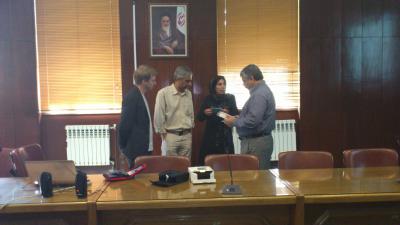
InterNICHE Co-ordinator Nick Jukes visited Iran in April and June 2012 as an invited international speaker at the 17th Iranian Veterinary Congress and to conduct outreach to universities. A previous InterNICHE visit to Iran in 2011 had been the first alternatives outreach to the country. The 2012 outreach was part of a wider project that included extended stays in Uzbekistan and Kyrgyzstan.

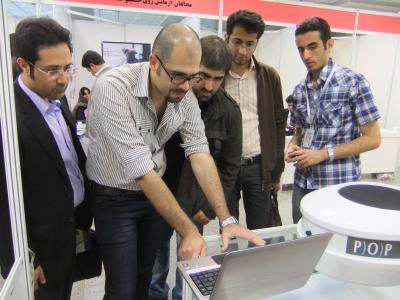
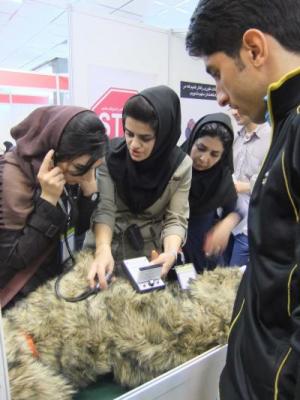
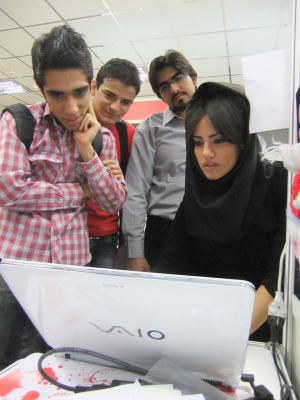
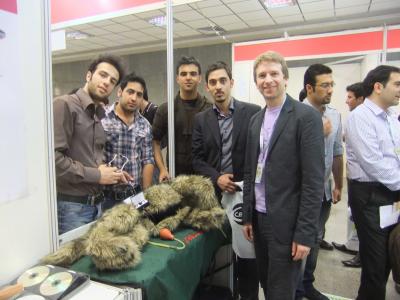
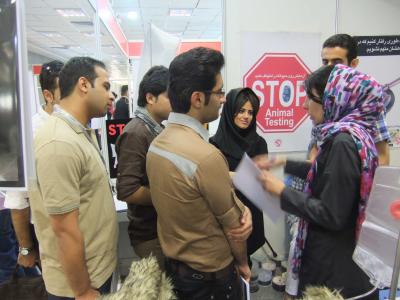
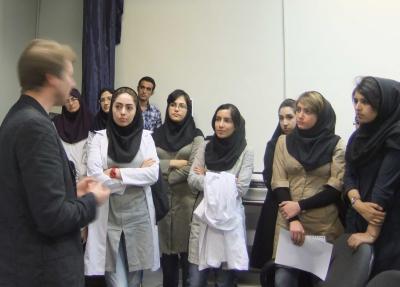
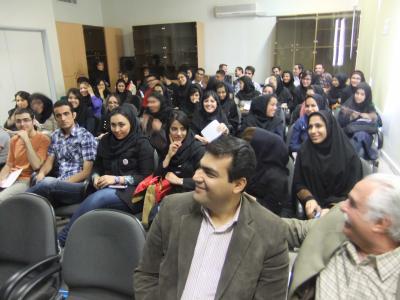
The presentation on humane education and alternatives at the Congress in Tehran was complemented by a stall organised by InterNICHE Partners the Iranian Anti-Vivisection Association (IAVA). A range of alternatives including software, models, mannekins and simulators were presented. The positive feedback and opportunities to network with veterinary teachers and students made a very successful event. Discussions were also held to explore with veterinary students the possibility of co-organising a student-focused alternatives conference as a satellite to a larger veterinary congress in the future. Opportunities for further outreach and meetings were identified from discussions at this event. A meeting with zoologists at the Marine Sciences University was held, and talks to over 100 people were given at two branches of the Islamic Azad University – the Faculty of Veterinary Medicine in Garmsar and the Science and Research Branch in Shahriar – organised by IAVA Director Dr Ramak Roshanaie.

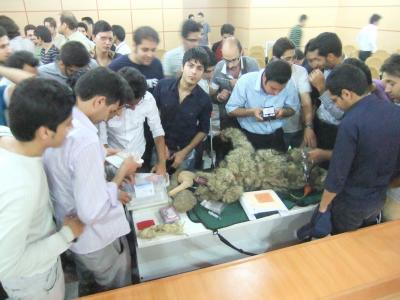
In the (all-male) Garmsar branch, and in Shahriar, veterinarian Dr Shahabeddin Safi presented the case for alternatives in research and testing, and Nick Jukes explored the range and quality of alternatives in education and training. Demonstrations of innovative learning tools within anatomy, physiology, pharmacology, clinical skills and surgery were given. For many teachers and students this was their first significant exposure to alternatives, and the first time that animal experiments had been comprehensively challenged. Student interest was very high, reflecting widespread discomfort with harmful animal use, and many teachers recognised the pedagogical, ethical and economic advantages of alternatives.

A subsequent important meeting with the Dean of the Veterinary Faculty at Tehran University was also very positive, with the Dean acknowledging the positive role that alternatives can play within education, and placing their gradual implementation within the process of reform. Iranian campaigners saw this as a very positive response. A seminar at the Faculty just for heads of department and other officials will now be proposed.

A number of students offered to help with promotion of alternatives, and a team of student translators was established to help translate the new InterNICHE website into Farsi. A meeting with students from different universities was held to establish a student alternatives group, and a number of meetings with IAVA campaigners were also held to strategise and build community. Such meetings are very important, particularly with Iranian censorship and international sanctions isolating the country and its people from many international connections.

In September 2012 IAVA was given the Brown Bear Award by Iran Animal Rights Watch for being the most active animal rights group in Iran. The ability of IAVA and its associated fledgling vegan movement to campaign in Iran reflects both the motivation of its members and the degree to which animals are considered by some others to be particularly unworthy of consideration. Campaigners, however, are often aware of the multiple positive impact - in terms of pedagogics, ethics and empowerment - of organising for change and establishing humane education.

The contrast with seemingly more moderate countries such as Egypt is also interesting. While Egypt has a well-established and widespread animal welfare movement, only some campaigners are vegetarian, and few are vegan. While such dietary practices are not necessary for alternatives campaigning, they can reflect greater awareness and compassion, and suggest a commitment to ethical consistency. The movement for animals in Iran is younger and very much smaller, but is more animal rights, anti-vivisection and vegan oriented. By the second half of the 20th century, Iran had developed a sizeable liberal and educated middle class, and the critical thinking and confidence that education can provide has carried through to the present day, particularly in Tehran. Egypt, by contrast, has a more agricultural base and does not have the same level of education - though during the recent revolution there was a call by some students for the implementation of replacement alternatives in education as part of a broader challenge to convention and corruption - see here.

The conditions and treatment of animals in both countries are perhaps similar. Beating to death of dogs in public is not unknown in Iran, and in Egypt the killing of animals by lacing food with poison or glass shards is also done. Iranian campaigners noticed immediately with positive surprise that a university student researcher who was helping with a seminar had a companion animal dog in his car and was treating her well.

In terms of animal use in education and training, one student provided testimony of practical labs with rabbits where the animals regained consciousness during experiments, and of horses struggling against untrained students’ attempts to insert a nasal tube. IAVA had also identified experiments performed on dogs where their limbs were broken. Other animal experiments and the dissection of purpose killed animals are widespread, but are increasingly being questioned.

One successful direct replacement took place immediately after the seminar at Garmsar. Two dogs were being held ready to be killed for use in a pathology practical class at Islamic Azad University, Science and Research Branch in Shahriar. A local group that works with stray animals, Raha Animal Rescue, provided the cadaver of a dog that had died after a road accident; another cadaver was donated by a companion animal guardian who had seen an IAVA poster promoting a body donation program in a veterinary clinic. Through connections with veterinary student members of IAVA, the cadavers were then given to the university to use as alternatives. The animals scheduled to be killed were rescued and then rehomed. Photographs can be seen here and on the timeline on 12-13 May 2012 here. Video footage can be seen here.

In 2010 IAVA performed its first rescue of dogs that were to be killed for anatomy and pathology practical classes. A female and her puppies were taken with permission from Shahriar and rehomed. Details are here. A second rescue took place in 2011 where another female with puppies was taken with permission from Islamic Azad University of Karaj, Faculty of Veterinary Medicine. They were housed in very poor conditions and were scheduled to be killed or used in experiments. In this case the university required payment for the dogs, who were successfully rehomed. Photographs can be seen here, and video footage here.

Although non-animal learning tools can bring about significant replacement in education and training, in veterinary medicine there is a genuine need for access to animal tissue in some practical classes. The default position for some universities, however, is for animals to be killed to provide their cadavers, and it is wrongly assumed that the choice is between killing animals for this purpose or not using animals at all. However, the provision of ethically sourced animal cadavers through body donation programs provides a creative, ethical solution that is increasingly being explored by universities.

The InterNICHE Policy, which IAVA follows, includes ethically sourced cadavers as an alternative because they can replace the use of purpose-killed animals. Ethically sourced animal cadavers are defined by the Policy as those that come from free living animals that have died naturally, in accidents, or that have been euthanised for medical reasons. See here for the full InterNICHE Policy.

Nevertheless, IAVA will source cadavers only from those animals who died naturally or in accidents (many dogs are indeed killed on the streets in traffic accidents), and will reject those that have been euthanised in Iran. They consider that some ‘euthanasia’ in the country is not genuine euthanasia - ie mercy killing performed for the animal’s benefit due to serious non-recoverable injury or disease - but instead comprises killing for convenience, reflecting poor veterinary principles and practice.

The decision to establish a formal body donation program in Iran was made after the 2011 InterNICHE outreach. IAVA campaigners who are veterinarians are working to establish the infrastructure for such a program, and have already begun promoting the concept to build a network of participating veterinary clinics. To be successful, such programs need good public promotion. Through this, clients will understand that donating the body of their beloved deceased companion animal will directly save the life of another animal, and that their participation will help ensure ethical and effective training for a new generation of humane vets. Feedback from clinics and animal guardians in Iran suggests that there is indeed public support for such a program. Consent forms and good record keeping will ensure that the InterNICHE Policy and other elements of best practice are followed. At the other end of the chain, good working relationships with teachers and faculties willing to use donor animals are being established, along with appropriate infrastructure such as an effective notification process, transportation solutions and cool rooms and freezer storage – funds permitting.

Such programs link an existing resource (cadavers scheduled for incineration) with an existing need (cadaver requirements for anatomy, pathology, clinical skills and surgery labs), thereby obviating the killing of animals for their cadavers. Replacement is therefore achieved. This alternative approach holds great potential not only in terms of saving lives, but also from the economic and environmental perspectives. It is recommend that shelters and clinics contribute to the establishment of a body donation program in conjunction with IAVA and InterNICHE, to help stop the catching and killing of dogs for practical classes in veterinary education and training. The ethically sourced donated cadavers can then directly replace cadavers that derive from pain and suffering and death. Dr Parisa Kiani Amin, through the Proshat Pet Clinic in Tehran, is willing to help establish and contribute to this body donation program, and is also able to offer reduced price treatment to shelters. The possibility of the clinic providing a base for training alternatives is being explored.

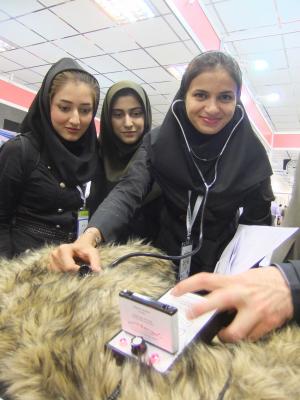
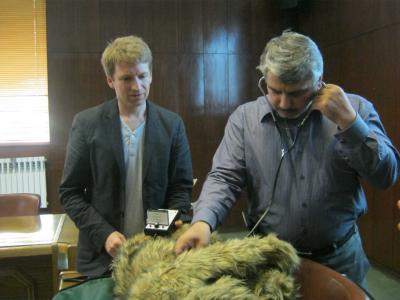
Already there is a mini-library of alternatives in Iran, with learning tools provided by InterNICHE, and the advanced clinical skills training mannekin Critical Care Jerry is now available for long-term use in the country. In terms of promoting alternatives, Jerry provides a very visual, hands-on tool for use in outreach at exhibitions, conferences and meetings. Functionality includes opportunities to practice intubation, injections and taking blood, and fixing broken bones, without the stress, injury and death caused to animals in practical classes. The breath and heart sounds simulator is an excellent tool that provides opportunities to listen to and become familiar with the sounds of over 20 pathologies. The mannekin can therefore not only bring about replacement of harmful animal use, but through the simulator concentrates many years of clinical experience into one learning tool. He can be of great value to universities as well as to shelters. In South Africa the NSPCA are using him not only to train vets and later to bring about replacement, but also to teach correct ways to approach and handle animals, and provide primary animal care, in the townships.

Other positive changes in Iran have included the release of frogs destined for a practical class into a forest; the ending of seizure tests in pharmacy education at Shahid Beheshti University; and the ending of experiments on dogs and rabbits by a head of physiology. The same teacher borrowed the Biopac Student Lab from the InterNICHE Alternatives Loan System and was very impressed with its potential as a self-experimentation apparatus and replacement for the last remaining animal experiments in his class. And several universities are now interested in using Critical Care Jerry as a training tool.

For many alternatives, the sanctions were identified as a barrier to their import and subsequent implementation. Local production of alternatives was recognised as one solution. Another area of interest from teachers was reflected in requests that InterNICHE and IAVA should organise a workshop on plastination. This method of dehydrating tissue and using silicone and other materials to preserve specimens can produce durable models that are alternatives to dissection. Working with this specific interest from the teachers will also provide an opportunity to open the door to the broader field of alternatives.

InterNICHE gratefully acknowledges funding support from Doctors Against Animal Experiments (DAAE) (Germany) for the activity in Uzbekistan and Kyrgyzstan; and from the Anti-Vivisection Union (South Australia) (AVU), the International Association Against Painful Experiments on Animals (IAAPEA), Animalearn and Mrs Sheelagh Graham for the whole project. The assistance of Ms Sepideh Hosseini and the members of IAVA is also acknowledged. A report on Uzbekistan and Kyrgyzstan is to follow.

http://www.interniche.org/en/news/alternatives-outreach-iran


Date: 
03/10/2012


نویسنده: mannane ׀ تاریخ: جمعه 12 آبان 1391 ׀ موضوع: <-PostCategory-> ׀ ارسال نظر(0)

صفحه قبل1...3738394041...115صفحه بعد

CopyRight| 2009 , 5531.LoxBlog.Com , All Rights Reserved
Powered By LoxBlog.Com | Template By:
NazTarin.Com
💬 نظرات کاربران
💬ثبت نام کاربران
💬ورود کاربران